

Education in Estonia
Year after year, students looking for quality education, safe conditions, and budget-friendly living conditions go abroad to get higher education from their countries to well-known and pioneering universities. Estonia has the primary position in the university choices of many students, including young people from all over the world. Mainly, existing specialty programs in different fields of medicine, technology, and economy attract the attention of international students to Estonian universities due to their quality and scientific-methodical status. Before talking about the Estonian education system, let us take a look at a brief background about the country:
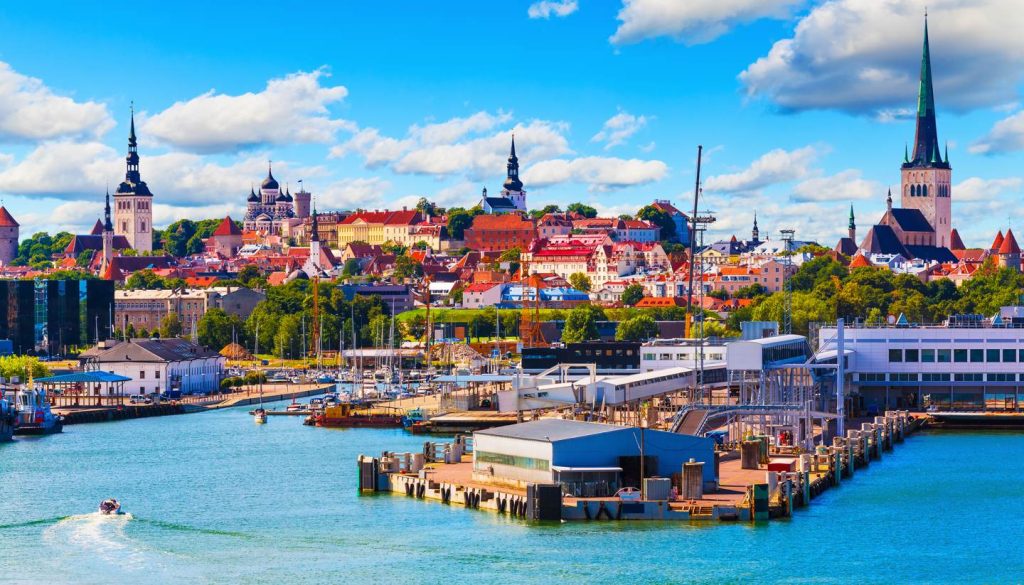
Estonia is a Northeastern European country located on the coast of the Baltic Sea. In 1991, after leaving the USSR, Estonia became a member of the UN. In a short time, it made significant progress in terms of economic development. Compared to other European countries, people from abroad make up the majority of the population in the country. Only two-thirds of the country consists of ethnic Estonians. Estonian is the state language of the country. Additionally, a quarter of the population speaks Russian. The country’s currency is the euro.
The Estonian education system is based on a four-level system: preschool, primary, secondary, and higher education. Academic education consists of 3 levels: bachelor’s, Master’s, and doctoral studies. Every year, the number of international students coming to Estonian universities constantly increases. Universities provide international students with theoretical and practical education under the requirements of the modern labor market.
Tuition fees in Estonia range from 1,000 to 7,500 euros for bachelor’s and master’s studies. Medicine, law, business administration, and social sciences are the most expensive majors. All doctoral studies in Estonia are free of charge. In addition, Estonian universities offer foreign students majors in modern, unique fields: cyber security, e-government technologies, and services, digital learning technologies, etc is an example of this. Technology has developed so much that the population of Estonia has become an electronic society, that is, government-population relations, implementation of public services, and all payments are carried out electronically. Even SKYPE, the most used online communication platform in the world, was created by Estonians.